

Mitchell in Argentina: commissioning an AMCS system
In July 2024, Mitchell traveled to Argentina to commission an AMCS system on board a hopper dredger. An existing system was already in place but failed to function correctly. The system frequently froze or went offline, which caused significant downtime and the suspension of dredging operations.
For this reason, the decision was made to replace the existing system. The challenge was that part of the original hardware had to be retained. The I/O modules and some of the functionality remained in use, while the control system and visualization were renewed.
The new system uses a Siemens PLC to replace the existing control unit. The original Bachmann I/O modules were retained, so there was no need to reconnect everything. For the visualization, a new SCADA solution with client PCs was selected.
Step-by-step commissioning
During the commissioning, Mitchell checked each I/O module to ensure all connected equipment was correctly linked and properly integrated into the PLC. This was verified step by step to guarantee that all signals were received correctly and processed accurately.
Once this was correctly configured, the SCADA functionality was addressed. Each screen was checked to ensure buttons worked as intended, displayed values were accurate and properly scaled, and alarms functioned correctly. Additionally, the redundancy of both the client PCs and the PLCs was tested.
During this phase, several minor software bugs were identified. He resolved these on-site, sometimes in consultation with colleagues remotely. In addition, he incorporated requests from the crew to adjust the software where necessary.
Testing and commissioning
By the end of the commissioning, the system functioned largely as intended and the vessel was able to resume operations. To complete the project thoroughly, a sea trial was conducted. During this test, a round was sailed and the crew had the opportunity to work with the new system and become familiar with it.
Role and responsibility
Within this project, Mitchell was responsible for the correct functioning of the new system and the successful completion of the Site Acceptance Test (SAT). He served as the primary point of contact on board and acted as the link to the remote engineers.
Together with the on-board electrician and other stakeholders, he tested the system extensively. He resolved software issues independently or through collaboration. The SAT was conducted in the presence of a surveyor, during which all components were inspected and approved.
Mitchell’s on-site experience
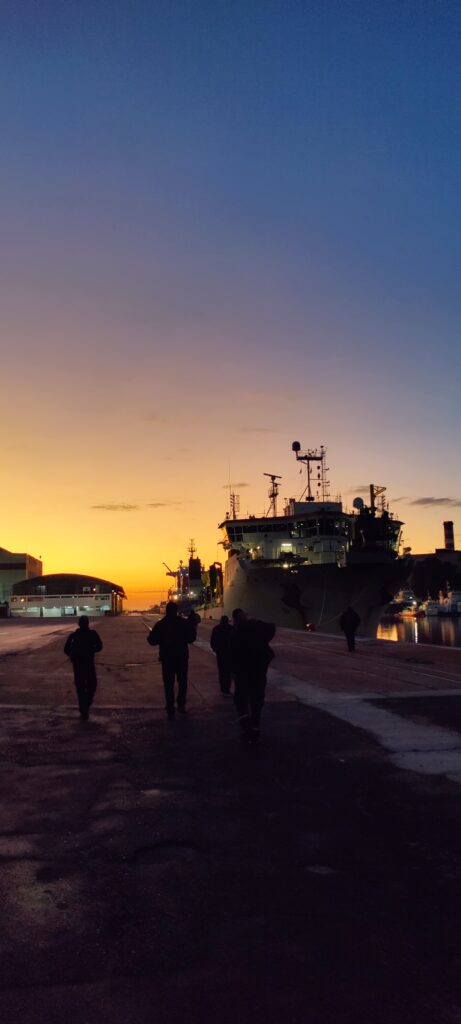
Working in Buenos Aires followed a steady routine. We were picked up from the hotel and taken to the ship at 7:00 AM. Since it was winter in Argentina, it was still dark at that time. After work, we were driven back to the hotel. By then, it was dark again and most shops had already closed. To stay active and still see something of Buenos Aires, I went for a run through different parts of the city almost every evening.
In addition, I had several great evenings in the city. For instance, Jurrien came to visit me for a few days and we went out for dinner at an exclusive steakhouse. We sat at the bar while they prepared the finest cuts of meat on the grill right in front of us.
I also experienced the Copa América final in a local pub in Buenos Aires. The match was between Argentina and Colombia. Argentina won and the entire city erupted into a massive celebration.
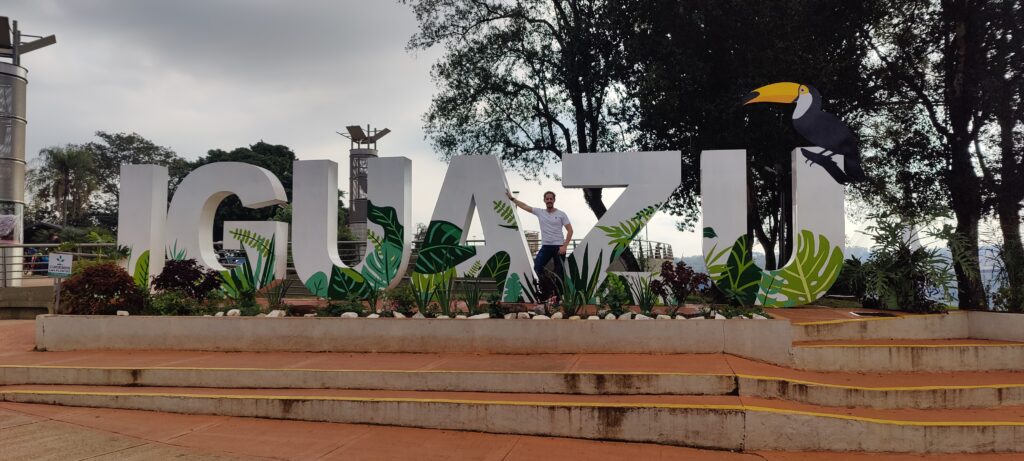
After the commissioning work was completed, I took a few days off to visit the Iguazú Falls. That trip, combined with my time in Argentina, made it a truly special and rewarding experience.